
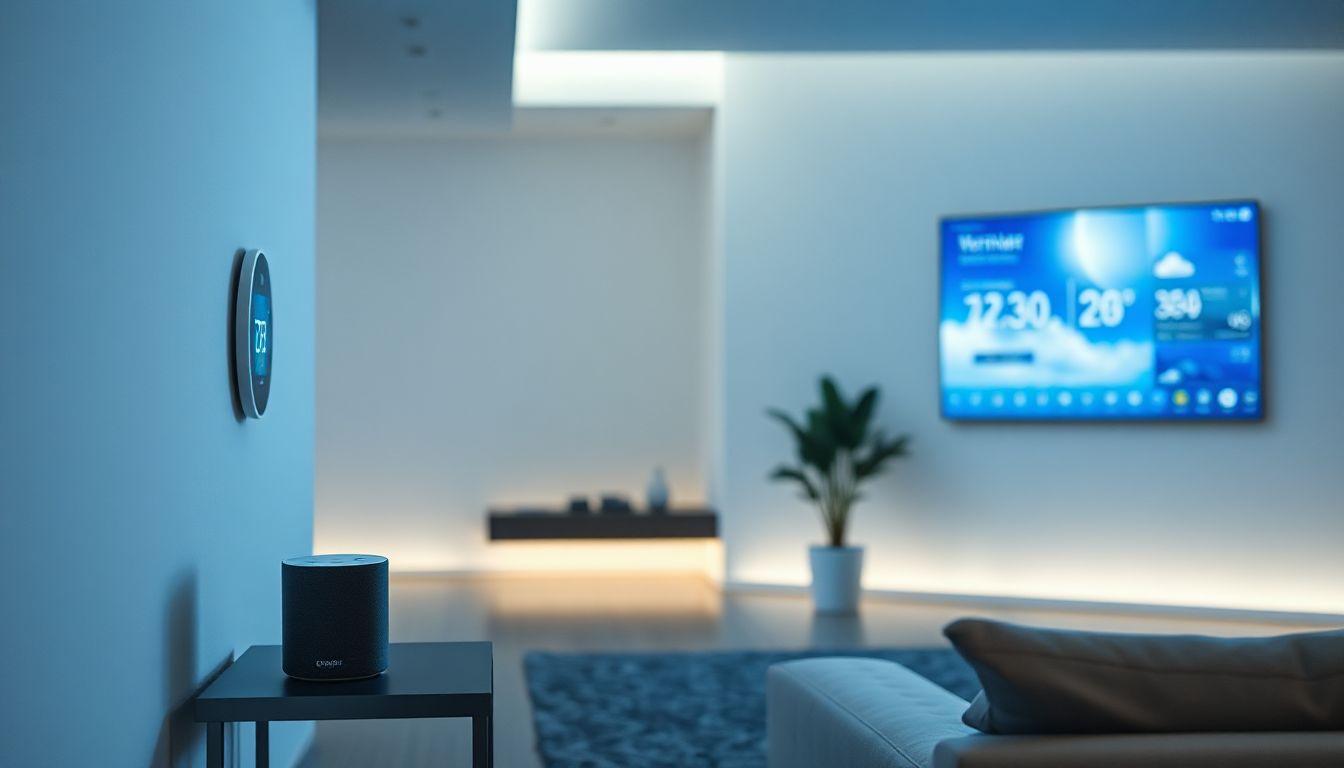
Smart Homes 2025: The Best IoT Devices for a Connected Lifestyle
Smart Homes 2025: The Best IoT Devices for a Connected Lifestyle
Imagine a home that understands your needs. It’s no longer a faraway dream; it's today's reality, quickly becoming the standard. Smart homes, powered by clever IoT (Internet of Things) devices, are changing how we live. They bring incredible convenience, boost energy efficiency, and make your space safer than ever.
By 2025, a "smart" dwelling won't be a luxury, but the norm. We'll see even smarter, more connected ecosystems that work effortlessly together. These systems learn from you, making daily life simpler and more automated. Get ready for a living experience where everything just clicks.
We’re about to explore the top IoT devices shaping the connected home of tomorrow. Picking the "best" means knowing what you need. It also means seeing how these gadgets fit into your larger smart living picture.
The Foundation of Your Smart Home: Connectivity and Control
Hubs and Smart Speakers: The Command Center
A truly smart home needs a brain, a central spot to manage all your devices. Smart hubs and voice assistants fill this role. They let you control lights, locks, and thermostats from one place. Think of them as the conductors of your home's digital orchestra.
Choosing the Right Smart Hub
You have options for your home's central control. Some dedicated hubs offer robust local processing, meaning they work even without internet. Other smart speakers can also act as hubs, bringing voice control right into the mix. Check device compatibility with standards like Zigbee, Z-Wave, Wi-Fi, or Thread. This ensures all your gadgets can chat with each other.
Voice Assistant Ecosystems: Alexa, Google Assistant, and Siri
Major voice assistants each bring unique strengths to the table. Alexa and Google Assistant offer broad device support and rich features. Siri, often found in Apple homes, provides tight integration with other Apple products. Consider how important ecosystem lock-in is versus a more open approach. Always look into how these assistants handle your personal data.
The Rise of Matter and Thread
The future of smart home devices looks much simpler, thanks to Matter and Thread. Matter is a new standard designed to make devices from different brands work together smoothly. Thread is a low-power wireless system that builds a strong mesh network in your home. These two will simplify setting up new gadgets and make your connected home more reliable by 2025.
Enhancing Comfort and Efficiency: Smart Living Essentials
Smart Thermostats: Intelligent Climate Control
Smart thermostats are heroes for both comfort and your wallet. They go beyond simple temperature settings. These clever devices learn your routine, ensuring your home is always just right.
Learning Capabilities and Energy Savings
These thermostats learn your daily schedule and temperature likes. They automatically adjust settings throughout the day, saving energy without you lifting a finger. Smart thermostats can reduce heating and cooling costs by up to 10-12% annually, according to Energy Star estimates. That's real money back in your pocket.
Remote Access and Geofencing
Imagine changing your home's temperature from your office or on vacation. Smartphone apps make this easy. Geofencing can even use your phone's location to adjust the thermostat. It can turn down the heat when you leave and warm things up before you arrive back home.
Integration with Other Smart Devices
Smart thermostats often play well with other gadgets. They can link with smart fans to boost cooling efficiency. They can even work with window sensors to pause heating if a window is open. This creates a smarter, more integrated climate system.
Smart Lighting: Ambiance, Security, and Savings
Smart lighting offers more than just turning lights on and off. It transforms your home's mood, boosts security, and cuts down on electricity use. These lights are true multi-taskers.
Customizable Ambiance and Scene Setting
You can change light colors, brightness, and even create custom lighting "scenes." Think "movie night" with dim, warm lights, or "reading mode" with bright, focused light. The power to set the perfect mood is yours.
Scheduling and Automation for Security and Convenience
Set your lights to turn on and off at certain times, even when you're away. This makes your home look occupied, helping to deter unwanted visitors. Motion sensors can also trigger lights when you walk into a room, adding both convenience and safety.
Energy Efficiency of LED Smart Bulbs
Most smart bulbs use LED technology, which is very energy efficient. Combined with smart controls, you can greatly reduce your electricity consumption. They last longer too, meaning fewer bulb changes over time.
Smart Plugs and Outlets: Bringing Any Device into the IoT Fold
Smart plugs are a simple, affordable way to make almost any appliance smart. They are perfect for dipping your toes into smart home tech without a big investment. Just plug it in, and you're good to go.
Controlling "Dumb" Appliances Remotely
Have an old lamp, a coffee maker, or a fan? Plug it into a smart plug, and suddenly it's controllable via your smartphone app or voice command. Wake up to fresh coffee, or turn off a forgotten curling iron from anywhere.
Energy Monitoring and Scheduling
Some smart plugs offer more than just on/off control. They can track how much energy your connected devices use. You can also set schedules for appliances to turn on or off, saving energy and hassle.
Creating Automations with Other Devices
Smart plugs can be part of bigger smart home routines. For example, you could set your smart plug to turn on a fan if your smart thermostat senses the room temperature gets too high. It's about making your devices work together for you.
Elevating Home Security and Safety in 2025
Smart Security Cameras and Doorbells: Always-On Surveillance
Smart security cameras and doorbells are your extra set of eyes, keeping watch 24/7. They help you monitor your home, whether you're inside or out. They bring a new level of peace of mind.
High-Definition Video and Two-Way Audio
Clear, high-definition video is key to seeing what's happening around your home. Two-way audio lets you speak to visitors at your door or deter suspicious activity. It's like being there, even when you're not.
Motion Detection and Smart Alerts
These devices feature advanced motion detection. They can tell the difference between a person, an animal, or a car. You get smart alerts right to your phone, reducing false alarms. A 2023 survey indicated that 65% of homeowners with smart security devices felt safer.
Professional Monitoring and Cloud Storage Options
Many smart security systems offer professional monitoring, where a team keeps an eye on your home for you. Secure cloud storage means your video footage is safely stored and accessible whenever you need it.
Smart Locks and Access Control: Keyless Convenience and Security
Smart locks mean no more fumbling for keys. They offer both incredible convenience and stronger security for your front door. It’s a modern twist on an old essential.
Keyless Entry and Remote Access
Unlock your door using your smartphone, a keypad code, or even your fingerprint. You can also grant temporary access to guests or service providers, even when you're not home. It's all about flexible entry.
Activity Logs and Tamper Alerts
Know exactly who entered your home and when, with detailed activity logs. If someone tries to tamper with your lock, you'll get an immediate alert on your phone. This added layer of security is invaluable.
Integration with Smart Assistants for Voice Control (with security considerations)
Voice commands can lock or unlock your doors, offering ultimate convenience. However, always set up strong security protocols for these actions, like a voice PIN. You want convenience, but never at the expense of safety.
Smart Smoke and Carbon Monoxide Detectors: Proactive Safety
These interconnected detectors are more than just alarms. They are proactive life-savers, working together to protect your family from hidden dangers. They offer advanced warnings and smart features.
Instant Alerts to Smartphones
Unlike traditional alarms, smart detectors send immediate alerts to your phone. You'll know about a potential fire or CO leak, even if you’re away from home. This gives you time to react and get help.
Self-Testing and Battery Monitoring
Forget climbing ladders to test your alarms. Smart detectors often perform automatic self-tests. They also send alerts when batteries are low, ensuring your safety devices are always working properly.
Integration with Emergency Services (Potential Future Feature)
Some advanced systems are developing the ability to automatically alert emergency services in case of a confirmed hazard. This future feature will add another crucial layer of protection to your home.
Beyond the Basics: Smart Appliances and Entertainment
Smart Appliances: The Future of Kitchens and Laundry
Smart technology is changing how we use everyday home appliances. Your kitchen and laundry room are becoming smarter, making chores less of a burden. These appliances are ready to make life easier.
Refrigerators with Inventory Management and Recipe Suggestions
Future refrigerators might have internal cameras showing you what you need from the store. Some track expiration dates and even suggest recipes based on your ingredients. Food waste could become a thing of the past.
Ovens with Remote Preheat and Cooking Presets
Imagine preheating your oven on your way home from work. Smart ovens let you do just that. They also come with libraries of cooking programs, taking the guesswork out of preparing meals.
Smart Washers and Dryers with Cycle Optimization
These appliances can suggest the best wash or dry cycle based on your clothes. They also send notifications when your laundry is done. No more forgotten loads or wrinkled clothes.
Smart Entertainment Systems: Immersive Experiences
Smart technology makes your home entertainment more engaging and personal. From movie nights to daily music, every moment can be better. Get ready for an experience that pulls you in.
Voice-Controlled TVs and Streaming Devices
Tired of searching for the remote? Voice commands let you easily find shows, switch inputs, or control playback. It's a hands-free way to enjoy your favorite content.
Multi-Room Audio Systems
Fill your entire home with music. Multi-room audio systems let you play the same song throughout the house. Or, you can play different tunes in each room. The choice is yours.
Smart Home Theater Integration
Create the ultimate movie night with smart home theater integration. Smart lighting can dim as the movie starts. Blinds can close automatically, and sound systems optimize for the perfect experience.
Building Your Smart Home in 2025: Tips for Success
Planning Your Smart Home Ecosystem
Building a smart home should be exciting, not overwhelming. A little planning goes a long way. This ensures your connected living space fits your unique needs.
Identify Your Needs and Priorities
Think about what problems you want to solve. Are you looking for energy savings, better security, or just more convenience? Start by focusing on the areas that matter most to you.
Prioritize Interoperability and Future-Proofing
Choose devices that play well with others. Look for support for standards like Matter to ensure long-term compatibility. The global smart home market is projected to reach $250 billion by 2025, according to Statista. You want your setup to grow with it.
Start Small and Expand Gradually
You don't need to go all in at once. Begin with a few key devices like a smart speaker or thermostat. As you get comfortable, you can add more gadgets as your needs change and new tech emerges.
Ensuring Security and Privacy in a Connected Home
Your connected home is only as safe as its weakest link. Protecting your smart home from cyber threats and keeping your data private is super important. Take these steps to stay safe.
Secure Your Wi-Fi Network
First, change the default password on your home router. It’s a simple but vital step. Always use strong encryption like WPA2 or WPA3 for your Wi-Fi network. This keeps snoopers out.
Enable Two-Factor Authentication
Add an extra layer of security to all your smart home accounts. Two-factor authentication (2FA) requires a second form of verification, like a code from your phone. This makes it much harder for unauthorized access.
Regularly Update Device Firmware
Just like your phone or computer, smart devices need updates. Firmware updates often include important security patches. "Regularly updating your IoT devices is akin to patching vulnerabilities in your computer; it's crucial for maintaining a strong security posture," advises leading cybersecurity firm, CyberSecure Insights. Keep your tech fresh.
Conclusion
By 2025, IoT devices will truly transform our living spaces. They'll create homes that are not just connected, but intelligent and responsive. This means a smarter, easier way to live.
We've explored everything from central hubs and energy-saving thermostats to advanced security and futuristic appliances. Each device plays a part in making your home more comfortable, efficient, and secure. They even make entertainment more immersive.
The world of smart homes is always growing, offering new ways to simplify your daily life. Embrace the technology that best fits your needs. Step into a smarter, more connected future.
0 Komentar Smart Homes 2025: The Best IoT Devices for a Connected Lifestyle
Post a Comment